Category: Wedding Tips

  • Short White Party Dresses: Tips for Wearing Them and Looking Stunning

    Short White Party Dresses: Tips for Wearing Them and Looking Stunning

    Short white dresses are a staple in any woman’s wardrobe. They work for daytime events, evening parties, and even as an alternative for bridal showers or rehearsal dinners. But wearing white comes with style rules worth knowing.

    When to Wear a Short White Dress

    • Bridal shower or bachelorette party: Perfect if you are the bride or a bridesmaid in a coordinated look
    • Garden parties and daytime weddings: White is appropriate for daytime events when the dress code is semi-formal
    • Cocktail parties: A short white dress with bold accessories creates a striking evening look
    • New Year’s Eve: White is a classic choice for New Year celebrations
    • Rehearsal dinner: Brides often choose white for the rehearsal dinner

    What to Avoid

    Do not wear white to a wedding unless you are the bride or the bridal party has specifically coordinated white outfits. It is considered a fashion faux pas in most Latin American wedding traditions. For evening formal events, avoid white if the dress code specifies black tie.

    Accessorizing a Short White Dress

    White is a blank canvas. The accessories define the look. For a daytime event, add nude or metallic heels and minimal jewelry. For evening, go bold with colorful heels, statement earrings, and a clutch in a contrasting color. A denim jacket works for casual events, while a bolero or shawl works for church or formal occasions.

    Fabric and Fit Tips

    Choose fabrics that do not show undergarments: lined cotton, double-layer polyester, or thick crepe. Avoid thin linen or single-layer satin without lining. Make sure the fit allows movement — a tight white dress shows every line and wrinkle.
  • Marriage Procedures in Colombia: Complete Requirements Guide

    Marriage Procedures in Colombia: Complete Requirements Guide

    Getting married in Colombia involves several steps, whether you choose a civil ceremony, a religious wedding, or both. Understanding the requirements ahead of time saves stress and prevents last-minute surprises. This guide covers the procedures for Colombian citizens and foreign residents.

    Civil Marriage Requirements

    A civil marriage in Colombia is performed by a notary or a judge. The requirements include: original and copy of citizenship ID (cédula) for Colombian citizens, or passport and foreign ID for non-Colombians; certificate of birth (registro civil de nacimiento); proof of residency if marrying outside your city; two witnesses over 18 with valid ID; and prenuptial agreement (capitulaciones matrimoniales) if you want to separate assets.

    Religious Marriage Requirements

    For a Catholic church wedding, additional requirements include: baptism and confirmation certificates, premarital counseling course (curso prematrimonial) offered by the parish, marriage banns (amonestaciones) announced at mass for three consecutive Sundays, and a letter of freedom (to prove neither party is already married). Allow 3-6 months for the full process.

    Step-by-Step Timeline

    • 3-4 months before: Start premarital counseling (if religious), gather documents
    • 2 months before: Submit documents to notary or parish, book the venue
    • 1 month before: Confirm all documents are approved, order marriage certificate
    • 2 weeks before: Final meeting with notary or priest, confirm witnesses
    • Day of: Ceremony followed by notary signature (civil) or church registration (religious)

    Costs

    A civil marriage in Colombia typically costs between approximately $50 and $200 USD, including notary fees and certificate. A religious wedding varies by parish but usually ranges from $100 to $500 USD including document processing and church rental. Additional costs include the civil registration of the religious marriage.

  • Elegant Evening Dresses: Shine During Your Celebration

    Elegant Evening Dresses: Shine During Your Celebration

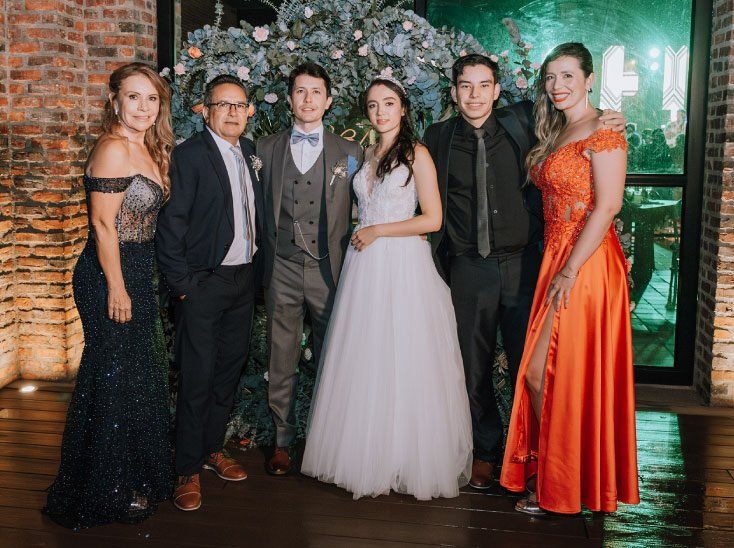
    An elegant evening dress is the centerpiece of any formal event outfit. Whether you are a wedding guest, a bridesmaid, or attending a gala, the right dress makes all the difference. This guide covers the most popular styles, fabrics, and tips for choosing the perfect gown for celebrations in Colombia.

    Evening Dress Styles

    • A-line: Fits at the waist and flows down. Flattering for most body types. Works for both daytime and evening formal events.
    • Mermaid: Fitted through the bodice and hips, flaring at the knee. Dramatic and sophisticated. Best for evening galas and black-tie weddings.
    • Empire waist: High waistline just below the bust. Comfortable and elegant. Ideal for outdoor or tropical evening events.
    • Column: Straight cut from top to bottom. Modern and minimalist. Works well for contemporary weddings and cocktail attire.
    • Two-piece: Separate top and skirt. Trendy and versatile. Popular for bridesmaids who want to mix and match.

    Colors for Evening Events

    For formal evening events in Colombia, jewel tones are always appropriate: emerald green, sapphire blue, ruby red, and amethyst purple. Neutral tones like champagne, nude, and blush work for daytime formal events. Black is classic and sophisticated for any evening event. Avoid white (reserved for the bride) and neon colors (considered less formal).

    Fabric Selection

    Choose fabrics that drape well and photograph beautifully. Chiffon is lightweight and flows, ideal for tropical climates. Satin has a glossy finish, elegant but shows every line. Velvet is luxurious and warm, perfect for cooler evening events. Lace adds texture and romance, works for both rustic and formal settings.

    Tips for the Perfect Fit

    Order your dress at least 3 months before the event to allow time for alterations. Professional tailoring makes even an affordable dress look expensive. Bring your shoes to the fitting appointment. Consider the venue: a long train is impractical for outdoor or beach events.

  • Best Bridesmaid Dresses: 15 Stunning Ideas for Your Wedding Party

    Best Bridesmaid Dresses: 15 Stunning Ideas for Your Wedding Party

    Choosing bridesmaid dresses is one of the most debated wedding planning tasks. Between different body types, budgets, and personal styles, finding a dress that makes everyone happy can feel impossible. The key is to set clear guidelines and let your bridesmaids choose within those parameters.

    The Mix-and-Match Approach

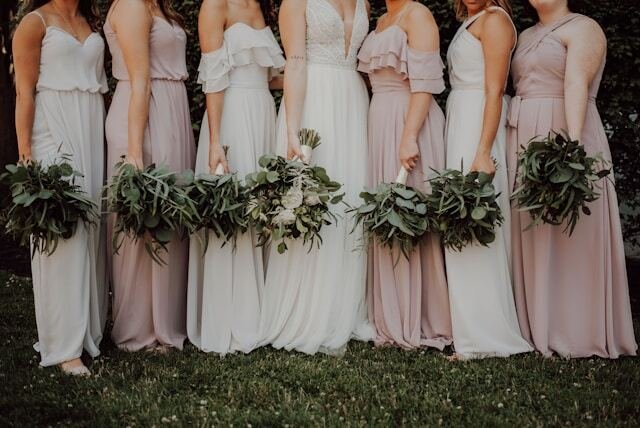
    This is the most popular trend in Colombia for 2026. Pick a color palette and let each bridesmaid choose a dress style that flatters her body type. Guidelines: same fabric or texture, same length (all floor-length or all midi), colors from the same family (blush to terracotta, or navy to sky blue). Benefits: every bridesmaid feels comfortable, better photos with varied silhouettes, and bridesmaids can reuse the dress later.

    Color Palettes for 2026

    • Earth tones: Terracotta, sage green, rust, champagne — warm and photogenic
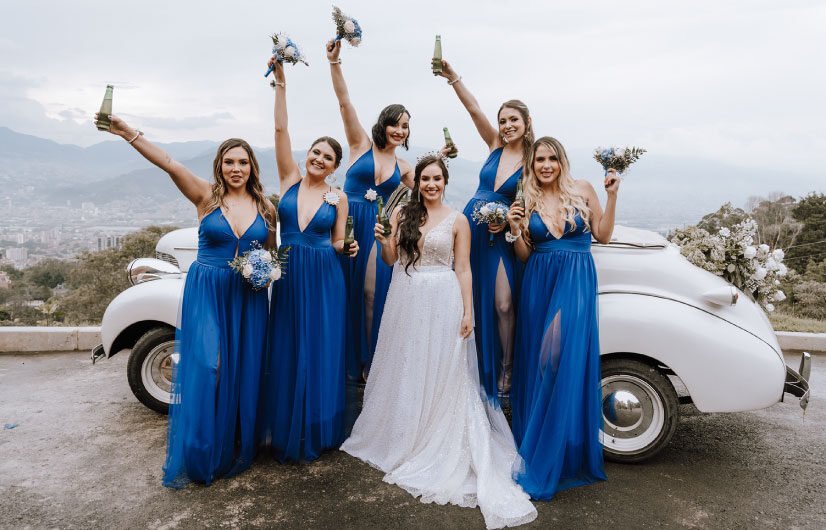
    • Jewel tones: Emerald, sapphire, amethyst, ruby — dramatic and elegant
    • Pastels: Blush, lavender, mint, baby blue — romantic and soft
    • Monochromatic: Different shades of the same color — sophisticated and modern
    • Bold accent: Neutral dresses with colorful accessories — budget-friendly

    Bridesmaid Dress Styles by Body Type

    • A-line: Flattering for most body types, comfortable, easy to alter
    • Empire waist: Great for petite frames, hides lower body concerns
    • V-neck: Elongates the torso, good for fuller busts
    • Strapless: Classic but requires good fit; not ideal for very active ceremonies
    • Off-shoulder: Romantic and trendy, suits most body types
    • High-low hem: Modern, shows off shoes, works for outdoor weddings

    Budget Tips

    Set a clear budget per dress before shopping. Include alterations in the budget (typically $30-80 USD per dress). Consider renting if bridesmaids will never wear the dress again. Shop during sales — wedding dress shops have seasonal collections. Order extra fabric for alterations.

  • Who Pays for Bridesmaid Dresses? A Practical Guide

    Who Pays for Bridesmaid Dresses? A Practical Guide

    One of the most delicate conversations in wedding planning is about money — specifically, who pays for the bridesmaid dresses. In Colombia, the answer varies depending on tradition, family dynamics, and budget. Here is a breakdown of what is customary and how to handle the conversation gracefully.

    The Traditional Approach

    In Colombia, the most common arrangement is that each bridesmaid pays for her own dress. The bride chooses the style and color, and the bridesmaid covers the cost. This tradition works when the bride is mindful of her bridesmaids’ budgets. It creates friction when the bride chooses an expensive dress without consulting the group.

    The Bride Pays Option

    Some brides choose to cover the cost of the dresses, especially when the bridesmaids have already spent on travel, accommodations, and the bridal shower. This is more common when the bride has the budget and wants to avoid financial stress for her wedding party. It is also standard when the bride insists on a very specific, expensive dress.

    Shared Arrangements

    A compromise that works well: the bride covers part of the cost (for example, paying for alterations or accessories) and the bridesmaids pay for the dress. Another option is choosing a dress that can be worn again, so the bridesmaid feels the investment is worthwhile.

    How to Have the Conversation

    Be clear from the beginning. When asking someone to be a bridesmaid, mention the expected costs: dress, travel, accommodations, bridal shower contribution. Ask the group about their budget range before choosing a dress. Consider mix-and-match styles at different price points. If a bridesmaid cannot afford the chosen dress, offer alternatives or adjust the selection.

  • Andrea Valdiri and Saruma Wedding: Key Details and Inspiration

    Andrea Valdiri and Saruma Wedding: Key Details and Inspiration

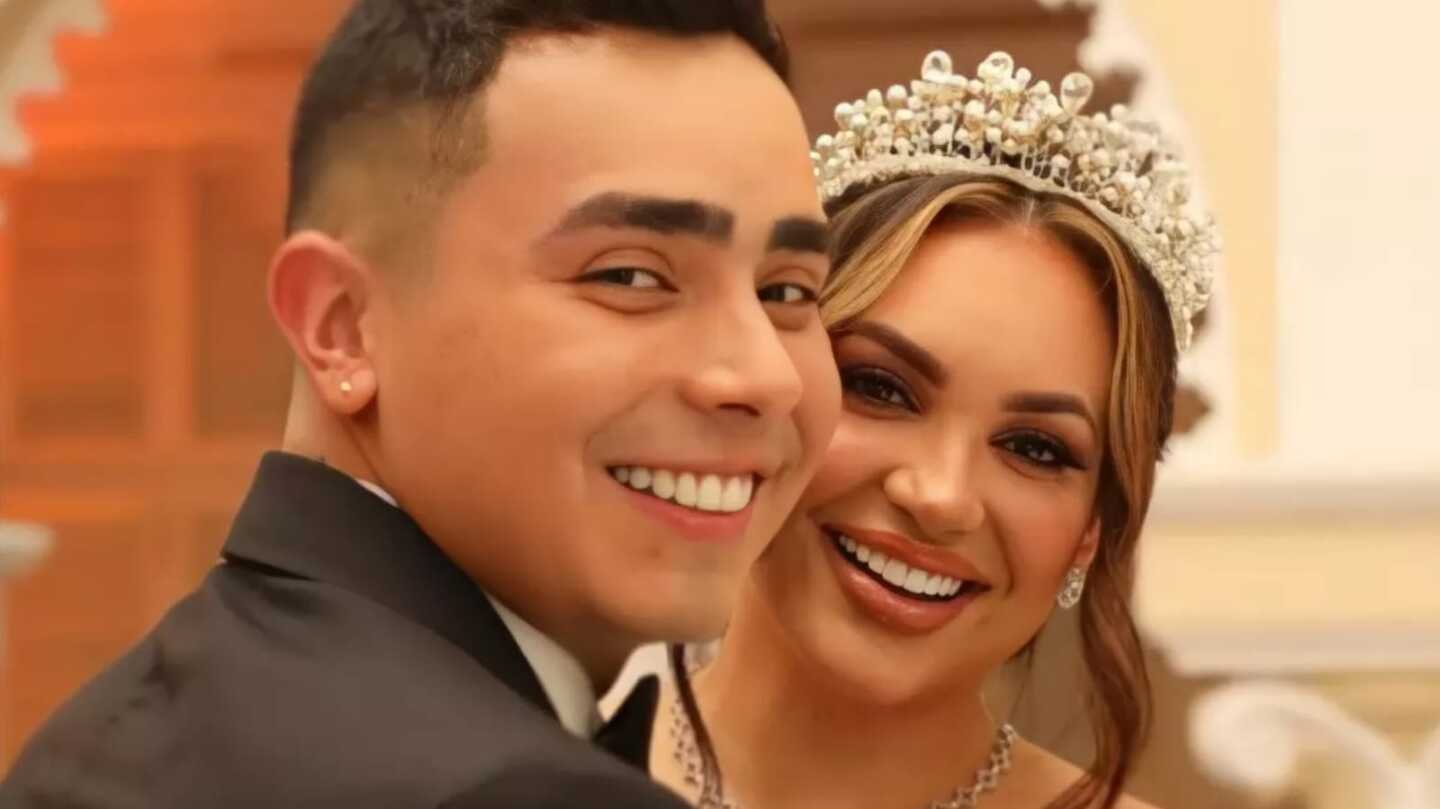
    The wedding of Andrea Valdiri and Saruma was one of the most talked-about celebrity weddings in Colombia. While not every couple has the same budget, the event offers plenty of inspiration for planning a memorable celebration.

    What Made It Stand Out

    The wedding combined a religious ceremony with a large-scale party production. Key elements included: a church ceremony with traditional decor, a reception that felt more like a concert than a dinner, multiple outfit changes by the bride, and a guest list that read like a who-is-who of Colombian entertainment.

    Inspiration for Your Wedding

    • Entertainment matters: Great music and a lively atmosphere make any wedding memorable. Invest in a good DJ or band.
    • Multiple looks: Consider a different look for the ceremony and the reception. It adds variety to photos and makes each moment feel distinct.
    • Guest experience: From arrival to departure, think about what guests will experience. Small touches like welcome drinks, photo booths, and late-night snacks add up.
    • Vendor coordination: A wedding of this scale requires professional coordination. Every vendor must know their timing and role.

    Practical Takeaways

    You do not need a celebrity budget to apply the principles: prioritize what matters most to you (music, decor, food), hire a wedding coordinator so you can enjoy the day, and choose vendors who work well together.

  • Wedding Participation Cards: Design and Etiquette Guide

    Wedding Participation Cards: Design and Etiquette Guide

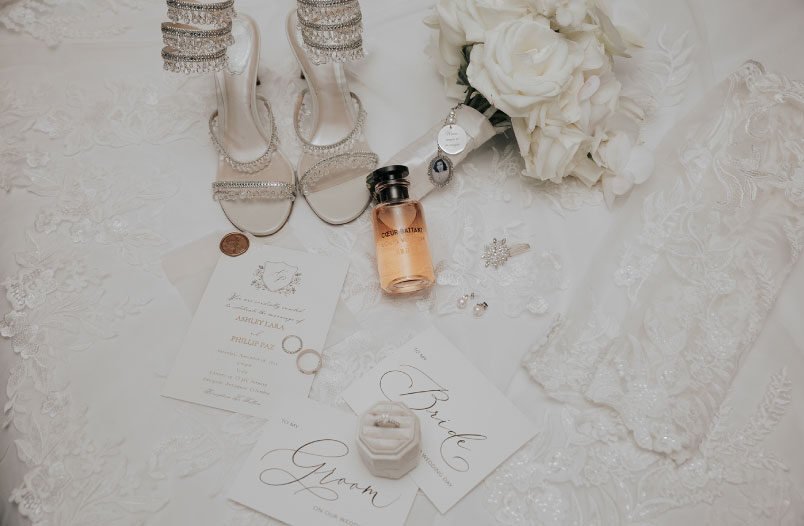
    Wedding participation cards — known in Colombia as participaciones — are more than just invitations. They announce your marriage to family and friends, set expectations for the celebration, and serve as keepsakes. Getting them right matters.

    Types of Wedding Cards

    • Save-the-date: Sent 4-6 months before the wedding. Includes date, city, and a note that formal invitation will follow.
    • Participation card: The formal invitation. Sent 2-3 months before. Includes full names of the couple, date, time, venue, dress code, and RSVP details.
    • Ceremony program: Distributed at the church or venue. Lists the order of events, readings, and participants.
    • Thank-you cards: Sent after the wedding. A handwritten note for each gift is traditional and appreciated.

    Wording Examples

    Traditional format: “Juan Pérez y María García tienen el honor de participar a usted su matrimonio.” Include the parents’ names if they are hosting. For a modern format, use first-person language: “Nos casamos y queremos compartirlo contigo.” Include the full date written out, venue name and address, and reception details if different from the ceremony.

    Design Tips

    Choose a design that reflects your wedding style: classic (ivory and gold calligraphy), rustic (kraft paper and wildflower illustrations), modern (minimalist typography on white), or tropical (bright colors and botanical prints). Order a sample before printing the full batch. Include an RSVP method: QR code, website, phone number, or physical response card.

  • Short Red Party Dresses: Bold and Seductive Styles

    Short Red Party Dresses: Bold and Seductive Styles

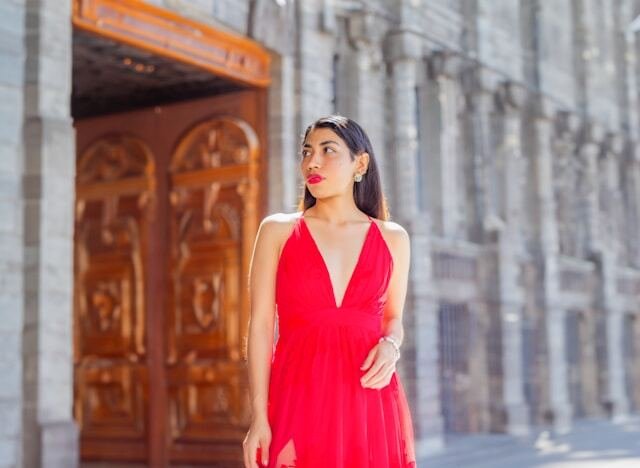
    Red is the color of confidence. A short red dress makes a statement at any party or celebration. But wearing red well requires attention to shade, fit, and occasion.

    Choosing the Right Shade of Red

    Not all reds suit all skin tones. Fair skin: true red or blue-based red (crimson, cherry). Medium or olive skin: warm reds (tomato, brick, coral). Dark skin: deep reds (burgundy, wine, merlot). Test the dress in natural light before buying — some reds look different under store lighting.

    When to Wear Red

    Red works for evening parties, cocktail events, date nights, and New Year celebrations. For weddings, check the dress code — some brides prefer guests avoid red. For formal galas, a red dress is appropriate when the invitation says formal or black tie. For daytime events, choose softer reds like coral or rust.

    Accessorizing Red

    The safest accessory choice is neutral: nude or metallic heels, minimal jewelry, a small clutch. Gold complements warm reds; silver works with cool reds. Black accessories create a bold, classic look. Avoid wearing another bright color with red — let the dress be the focal point.

    Fit and Fabric

    Red draws attention, so fit matters. Make sure the dress fits well without pulling or gaping. Structured fabrics (scuba, crepe, thick cotton) hold shape better than clingy fabrics. A-line and fit-and-flare styles are flattering for most body types.

  • Long Wedding Guest Dresses: Elegant Options for the Celebration

    Long Wedding Guest Dresses: Elegant Options for the Celebration

    A long dress is the most elegant choice for a wedding guest, especially for evening or formal ceremonies. In Colombia, floor-length dresses are standard for evening weddings and black-tie events. This guide helps you choose the right style, color, and fabric.

    When to Wear a Long Dress

    Long dresses are appropriate for evening weddings (after 6 pm), formal or black-tie dress codes, church ceremonies followed by formal receptions, and galas or high-profile celebrations. For daytime or casual weddings, a midi or short dress is more appropriate.

    Popular Silhouettes

    • A-line: Fitted at the waist and flows to the floor. Flattering on most body types. Comfortable for dancing and moving.
    • Empire waist: High waistline just below the bust. Elegant and comfortable. Good for outdoor or tropical weddings.
    • Column: Straight cut. Modern and minimalist. Best for slim figures and contemporary settings.
    • Mermaid: Fitted through the bodice and hips, flaring at the knee. Dramatic and sophisticated. For formal evening galas.

    Colors for Wedding Guests

    Jewel tones (emerald, sapphire, ruby) are universally flattering for evening events. Pastels (blush, lavender, mint) work for daytime or spring weddings. Neutrals (champagne, nude, gray) are safe and elegant. Avoid white or ivory (reserved for the bride) and very light colors that might photograph as white.

    Fabric Recommendations

    Chiffon is lightweight and flows beautifully, ideal for Colombia’s warm climate. Crepe is structured and elegant, good for formal events. Lace adds texture and romance. Velvet is luxurious and warm, better for cooler months. Avoid heavy fabrics like brocade for outdoor or tropical venues.

  • Budget-Friendly Wedding Centerpieces: 12 Original Ideas

    Budget-Friendly Wedding Centerpieces: 12 Original Ideas

    Wedding centerpieces can take a significant chunk of your decor budget, but they do not have to. With creativity and smart sourcing, you can create beautiful tables that impress guests without breaking the bank. Here are 12 budget-friendly centerpiece ideas.

    Inexpensive Centerpiece Ideas

    1. Candle clusters: Group candles of varying heights on a wooden plank or mirror tile. Inexpensive and creates warm ambiance.
    2. Greenery-only: Eucalyptus, ferns, and local greenery in simple glass vases. Greenery is much cheaper than flowers.
    3. Books and flowers: Stack vintage books and top with a small bud vase. Perfect for literary or rustic themes.
    4. Single-flower vases: One statement flower per vase (a single rose, calla lily, or sunflower). Minimalist and affordable.
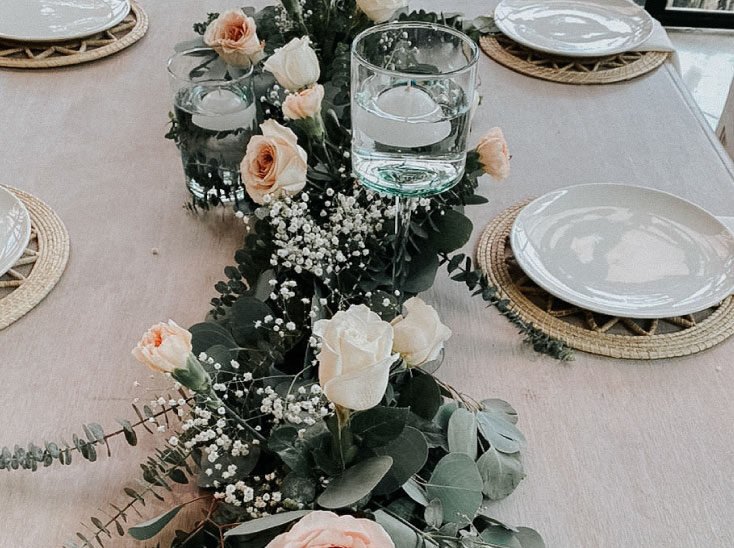
    5. Floating candles: Floating candles in glass bowls with water and flower petals. Elegant and very affordable.
    6. Mason jar arrangements: Mason jars with wildflowers or baby’s breath. Rustic and charming.
    7. Fruit centerpieces: Lemons, limes, or oranges in a glass bowl. Fresh, colorful, and edible after.
    8. Potted plants: Small succulents or herbs as centerpieces that guests can take home as favors.
    9. Lanterns: A collection of small lanterns with candles inside. Works for rustic or outdoor weddings.
    10. Wine bottles: Repurposed wine bottles as vases. Spray paint them in wedding colors for a cohesive look.
    11. Bare branches: Spray-painted branches in a tall vase with fairy lights. Dramatic and inexpensive.
    12. Photos: Small framed photos of the couple on each table. Personal and conversation-starting.

    Money-Saving Tips

    Use in-season and local flowers. Rent centerpiece components instead of buying. Repurpose ceremony flowers at the reception. Choose a smaller guest count to reduce the number of tables. DIY with help from friends and family.